Skip to content
For production & sourcing

Automate the ruler.

Garment QC, measured the same way every time.

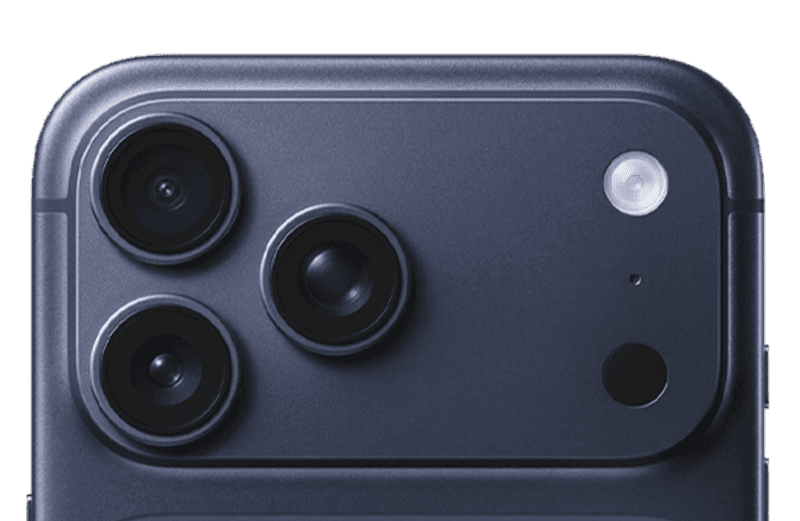
Consistent garment measurement at the point of inspection. On an iPhone.

Waist · 41.2 cmHip · 52.4 cmRise · 28.4 cmThigh · 30.8 cmInseam · 78.1 cmOpening · 18.9 cmPocket · 16.5 cmKnee · 24.6 cm
Grey: placed automatically. Blue: placed by your team, once.

Inspector-to-inspector variance

Two people, one tape, one garment, two different numbers. Sampling results depend on who held the tape that shift.

Measurement slows the sampling

Points of measure are the slowest station in an AQL inspection. Lots queue while inspectors measure by hand.

Disputes with no record

When a buyer challenges a shipment, handwritten inspection notes rarely settle it. Nobody can re-check a number that was never recorded.

0.92s
per garment
flat-laid LiDAR capture
Up to 15
measurement points
auto-detected per piece
Per piece
exportable records
photos + timestamps
Offline
works on the floor
measures on-device, syncs later

What no clipboard can do.

Consistency

One method, every station, every shift.

Two inspectors with two tapes produce two numbers, and the gap sits right at the tolerance you're trying to enforce. Size AI returns the same number for the same garment, whoever runs the capture.

Coverage

Measure more than the minimum.

Because taping is slow, a 10,000-piece order's dimensional fate often rides on a handful of sampled garments. At about a second a piece, widen the sample and catch the mis-graded piece before the buyer does.

Remote

Capture at the source. Verify anywhere.

Today a fit sample gets couriered between teams just so someone can lay it flat and re-read a tape. Capture it once, wherever it is, and the measured record travels as data. Stop shipping samples just to check the numbers.

Speed

About one second per garment.

90+ garment types, up to 15 points.

Everyone else digitizes the report. We automate the ruler.

PLM stores the numbers someone typed. Inspection tools file the report. Neither one measures the garment. Size AI automates the one manual step everything else assumes is done, and leaves a measured record behind, so when a number is challenged there is finally something to re-check.

Your points of measure, not ours

Measures the points your tech pack needs, not just a fixed list.

Every brand runs its own points of measure, its own names, its own conventions. Size AI doesn't force a standard set on you.

Waist · 41.2 cmHip · 52.4 cmRise · 28.4 cmThigh · 30.8 cmInseam · 78.1 cmOpening · 18.9 cmPocket · 16.5 cmKnee · 24.6 cm
Grey: placed automatically. Blue: placed by the team, once. Both measured the same way, from the depth map.

Auto-detected

The model places the standard shape points on its own, up to 15 per garment across 90+ types. Fully automatic.

Fine-tuned once

For a point with a house rule, nudge the model's point to your exact spot a single time. It's saved for that style.

You place it

For a construction detail, a welt pocket, a collar height, tap two points on the captured image and the software computes the true distance. Any point, any garment, even one the model has never seen.

In every case the software does the measuring. Placing a point is a tap, never a tape. Name each point in your own system.

01

Capture at the inspection table

Garments are already flat-laid for inspection. One tap measures the piece where it lies.

02

Numbers, not judgment calls

Every station and shift produces the same measurement for the same garment. Variance between inspectors drops out.

03

A record for every piece

Measurements export as structured data with photos and timestamps. When a shipment is challenged, you have the numbers.

A screening layer, not a certificate.

Size AI measures to ~5 mm (1⁄5 in) typical with LiDAR, under optimal conditions. For quality control work the repeatability matters more than the number. Tape measurements drift between inspectors, shifts, and days. Size AI returns the same number for the same garment every time, each piece is documented, and any item falling outside preset parameters is flagged for a human re-check, never auto-judged. We screen, we do not certify.

Use it today for: pre-sorting incoming lots, screening for mis-graded pieces, documenting every sampled garment, and standardizing measurement across stations.

Keep the tape for: final verification against tight tech-pack tolerances, like collars and cuffs. Teams that need tolerance-grade capture are exactly who we want to talk to, since that version is on our roadmap and design partners shape it.
Built for the Digital Product Passport.

The same record that settles a dispute also feeds what's coming next. As digital product passports move from proposal to mandate, verified measured dimensions become data you're expected to keep. Capture them once, at inspection, and they're already on file.

QC questions, answered

Planning an inspection workflow? Use the free AQL calculator

See it on your own garments.

Tell us your points of measure, tolerances, and volume. We'll show you where Size AI fits your line today and what a pilot looks like.

Measure garments, scan labels, create pro shots & product descriptions all from your iPhone. Built for sellers & retailers.

Download Now
©2026 - All Rights Reserved.